
Monitoring the Northern Muriqui in the Jequitinhonha Valley
Final report on data collected between March 2022 and July 2023 on Brachyteles hypoxanthus, an endangered primate.
COORDINATED BY PROFESSOR FABIANO RODRIGUES DE MELO OF THE UNIVERSIDADE FEDERAL DE VIÇOSA
Project Team
Coordinator Fabiano R. de Melo
Collaborator Ednardo Martins
Study Areas
Reserva Biológica Mata Escura
Established on June 5, 2003, in the municipality of Jequitinhonha (MG) to fully protect its natural resources and biodiversity, including the northern muriqui.
Alto Cariri Complex
Made up of 4 protected areas: Parque Estadual Alto Cariri, Parque Nacional do Alto Cariri, Refúgio de Vida Silvestre “Mata dos Muriquis” and Reserva Particular “Loredano Aleixo”.
Project Objectives
The main objective of this work is to identify, count and monitor the northern muriqui population in REBIO Mata Escura and to collect fecal samples for genetic analysis.
Identification and Counting
It was initially thought that there was only one social group, but after field observations we concluded that there may be a population of about 100 individuals divided into four social groups.
Genetic Sampling
Collection of fecal samples for genetic analysis, enabling the first study to assess the genetic composition of the northern muriqui populations of Mata Escura and Alto Cariri.
Monitoring Highlights
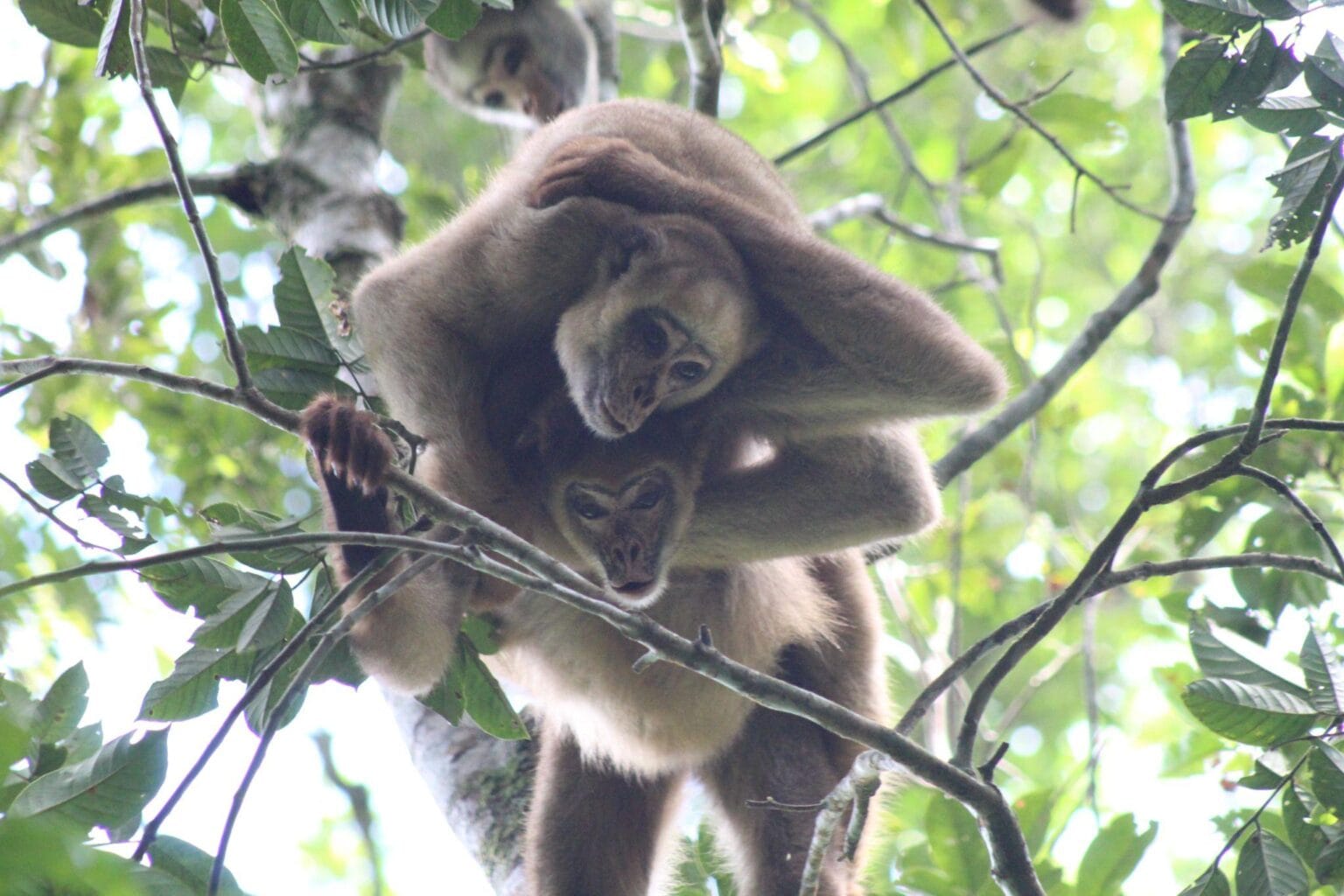
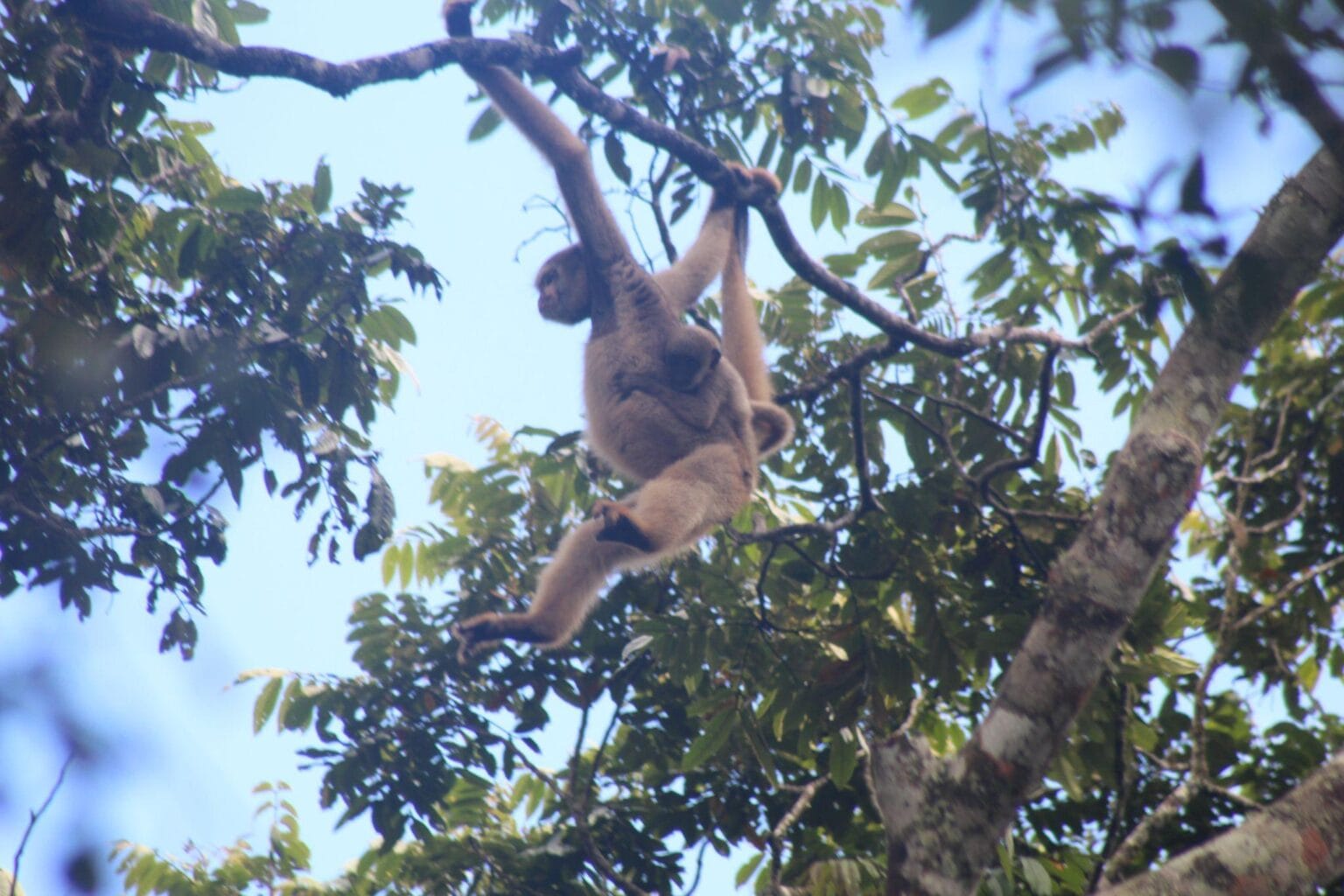
Observation of a group of approximately 32 muriquis on the MG-105 highway, including eight adult males, 16 adult females (three of them carrying infants) and eight juveniles.
Sighting of the largest group recorded so far, with about 40 individuals occupying four trees. A female was identified for the first time thanks to the coloration of her coat.
First record of a newborn infant, approximately three months old, in the observation-tower group at REBio Mata Escura.
Geographic Distribution of Sampling
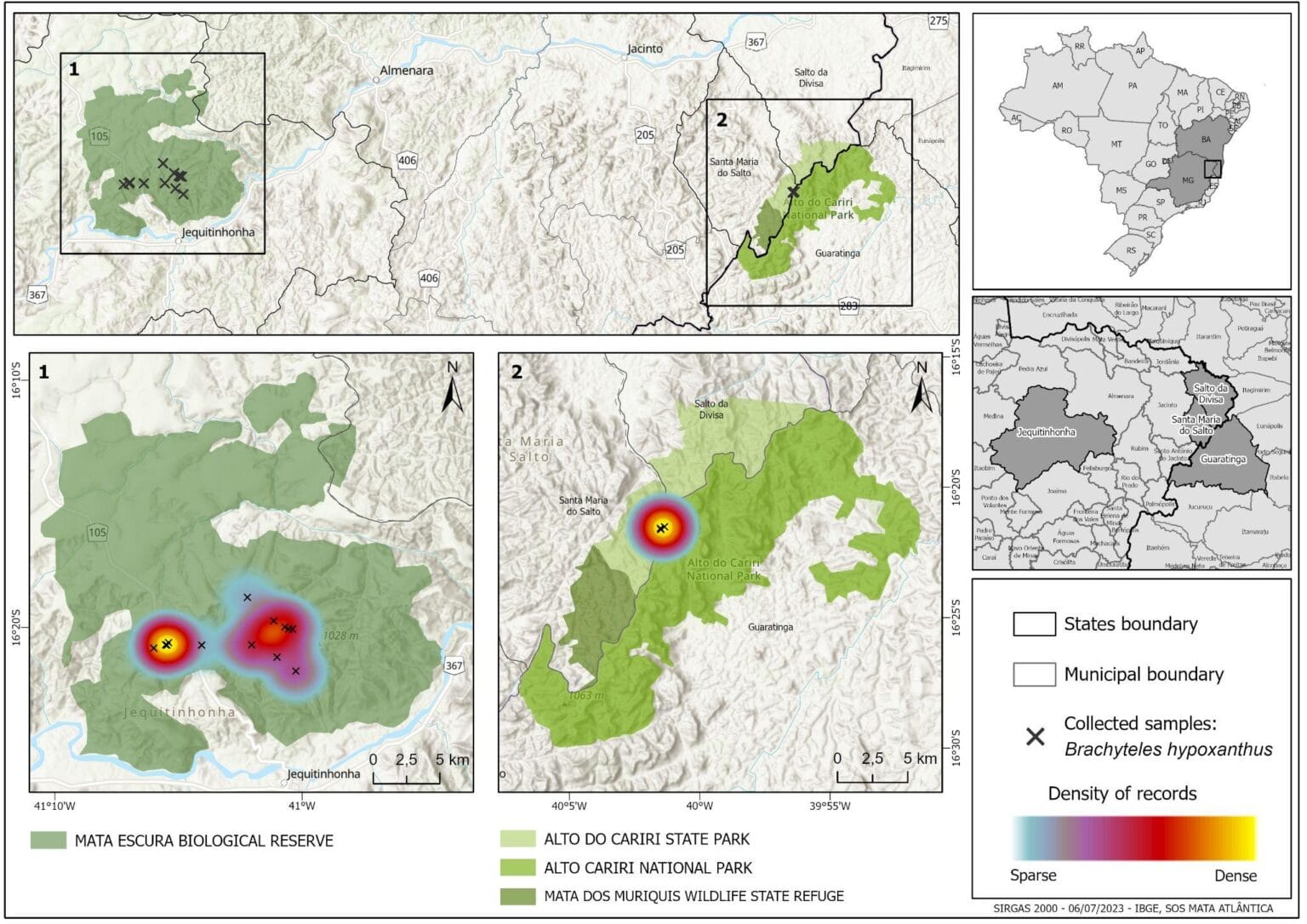
The image shows the geographic distribution of fecal sample collection in the Reserva Biológica da Mata Escura (REBio Mata Escura) in Jequitinhonha and in the Alto Cariri State and National Parks in Santa Maria do Salto, both in Minas Gerais.
Canopy Camera Traps
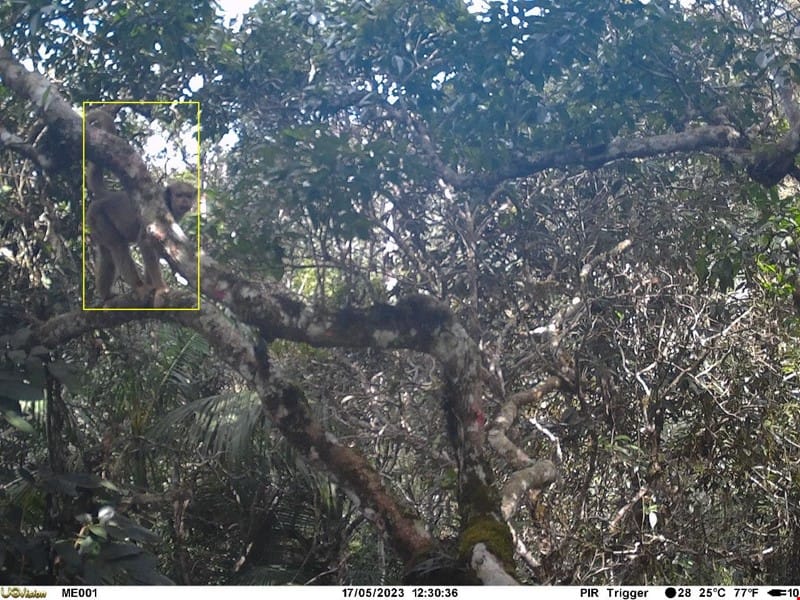
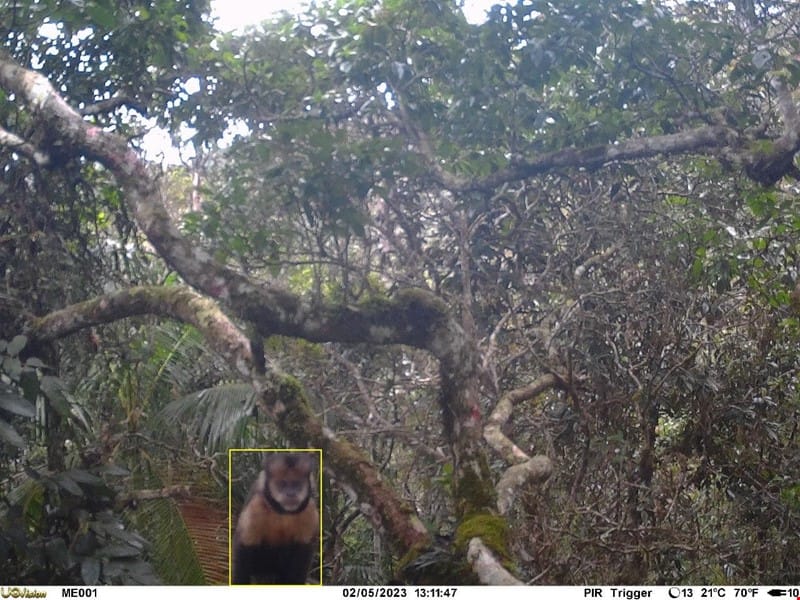
Solar-powered canopy camera traps connected to a SIM card (UV Vision), which send the captured images over the mobile network, were installed in both REBio Mata Escura and Alto Cariri in April 2023.
These traps were purchased by Wildlife Protection Solutions and donated to Muriqui Instituto de Biodiversidade (MIB) by the Wildlife Conservation Society.
Canopy Camera Trap Results
REBIO Mata Escura
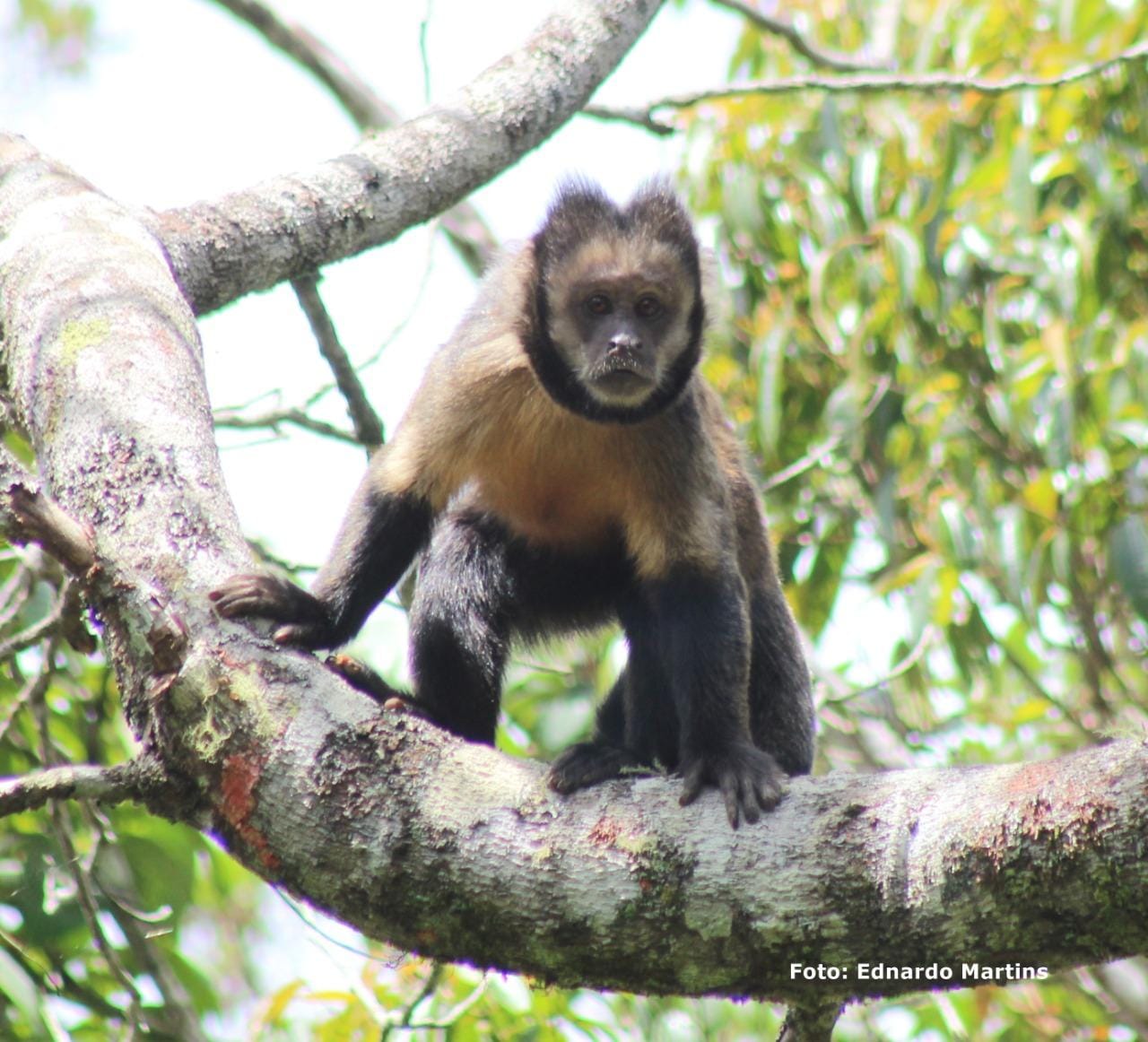
Northern muriquis (Brachyteles hypoxanthus) and capuchin monkeys (Sapajus xanthosternos) were detected by the canopy camera traps installed in this area.
Alto Cariri
Only crested capuchin monkeys (Sapajus robustus) were detected by the canopy camera traps installed in this region.
Genetic Analysis
Since the start of the project, 163 northern muriqui fecal samples have been collected in REBIO Mata Escura, representing what we believe to be four different social groups. In Alto Cariri, 53 fecal samples have been collected so far, from a single social group.
All these samples will be analyzed for microsatellite loci developed and optimized for the species. A total of 31 microsatellite loci were developed from the whole-genome sequencing of one B. hypoxanthus individual.
Genetic Methodology
Collection
Amostras fecais coletadas em campo e preservadas para análise laboratorial.
Extraction
DNA extraído das amostras fecais usando protocolos otimizados para material não-invasivo.
Analysis
Análise de primers otimizados para reações em multiplex e para genotipagem por sequenciamento.
In addition, two mitochondrial primers and two sex-identification primers (Di Fiore 2005) were included to identify species and sex, providing unique data on the genetic structure and composition of these populations.
Photo Gallery
This project is the first study to assess the genetic composition of the northern muriqui populations of Mata Escura and Alto Cariri, providing unique data on the genetic structure and composition of these endangered populations.