PROJECT
Conexões vivas
Strengthening Biodiversity in the Rio Doce Basin by connecting northern muriquis (Brachyteles hypoxanthus) and other Threatened Primates
The Conexões Vivas (Living Connections) Project aims to fill knowledge gaps about the primate fauna of the Rio Doce basin, contributing to biodiversity conservation.
Project Team
Coordinator Marcello S. Nery
Master's in Animal Biology. Specialist in research, conservation and management of northern muriquis, and in Citizen Science.
Coordinator Fabiano R. de Melo
PhD in Ecology, postdoctoral research in Anthropology. Specialist in animal conservation, field research and advanced technologies.
Coordinator Fernanda P. Tabacow
MSc in Animal Biology, UFV. Member of the Specialist Group of the PAN for Atlantic Forest Primates and of the IUCN SSC Primate Specialist Group Neotropics – Brazil/Guianas.
Collaborator Leandro S. Moreira
Collaborator Carla Possamai
Collaborator Yuri Anselmo
Collaborator Jade Cristine
Collaborator João Vitor
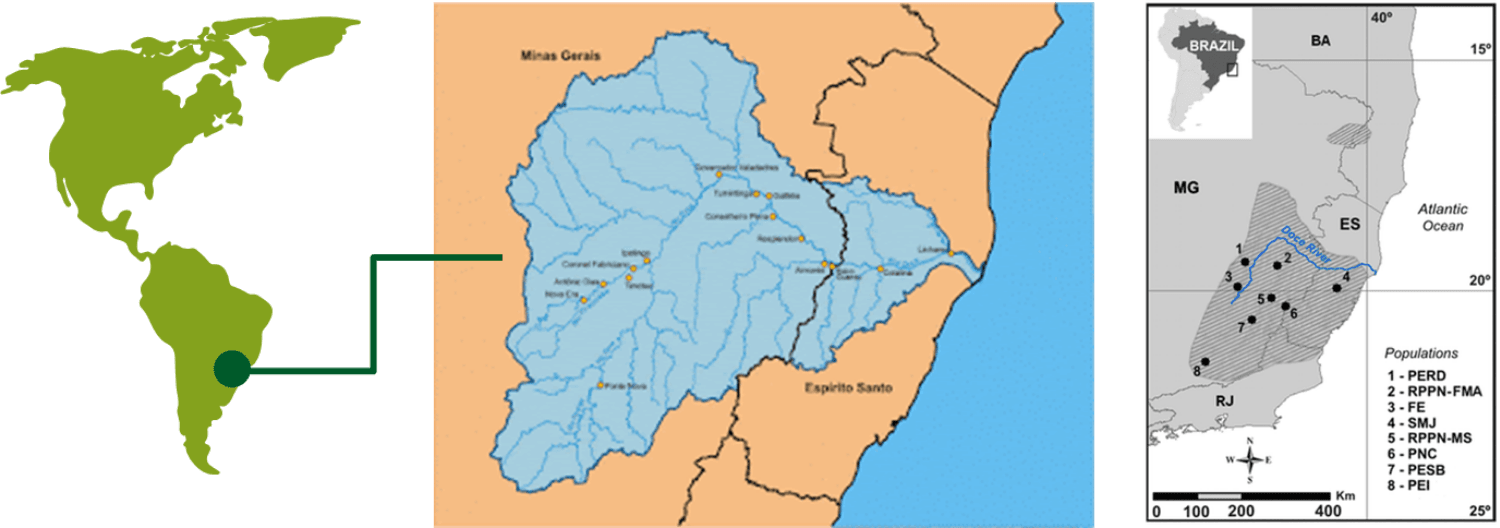
Activities include monthly expeditions around the areas where the northern muriqui occurs, such as Mata de Peçanha, the RPPNs Feliciano Miguel Abdala and Mata do Sossego, as well as the Serra do Brigadeiro (PESB) and Rio Doce (PERD) State Parks.
The project aims to map the distribution of primate species, build a database, assess the quality of forest fragments, identify actions to increase connectivity between key areas and expand the monitoring of the northern muriqui and other primates using non-invasive remote technologies.
GENERAL OBJECTIVE
“To increase knowledge about the populations of northern muriqui (Brachyteles hypoxanthus) and of endemic primates in the middle Rio Doce region and thus contribute to conservation actions for the threatened taxa of the “National Action Plan for the Conservation of Atlantic Forest Primates and the Maned Sloth” (PAN PPMA).”
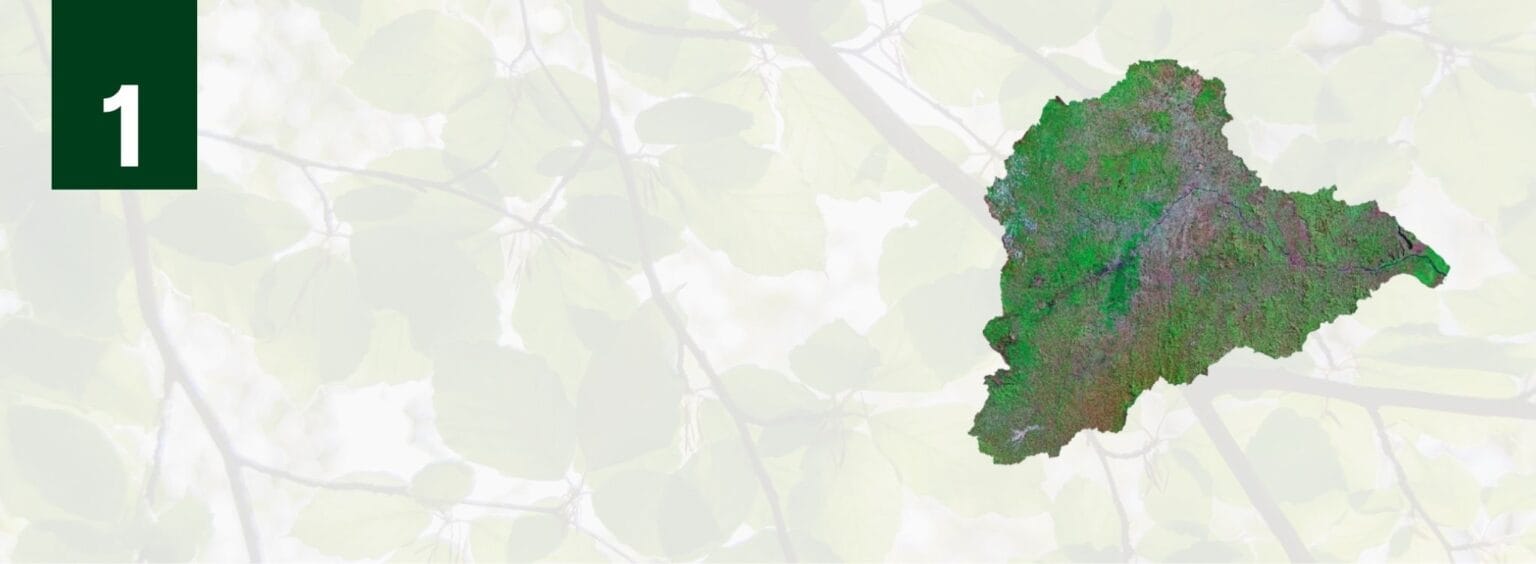
- Use of satellite imagery to identify forest fragments.
- Drone surveys, active searches and playbacks.
- Contact with local residents to gather information.
- Creation of maps detailing the areas studied.
Primate Mapping and Distribution
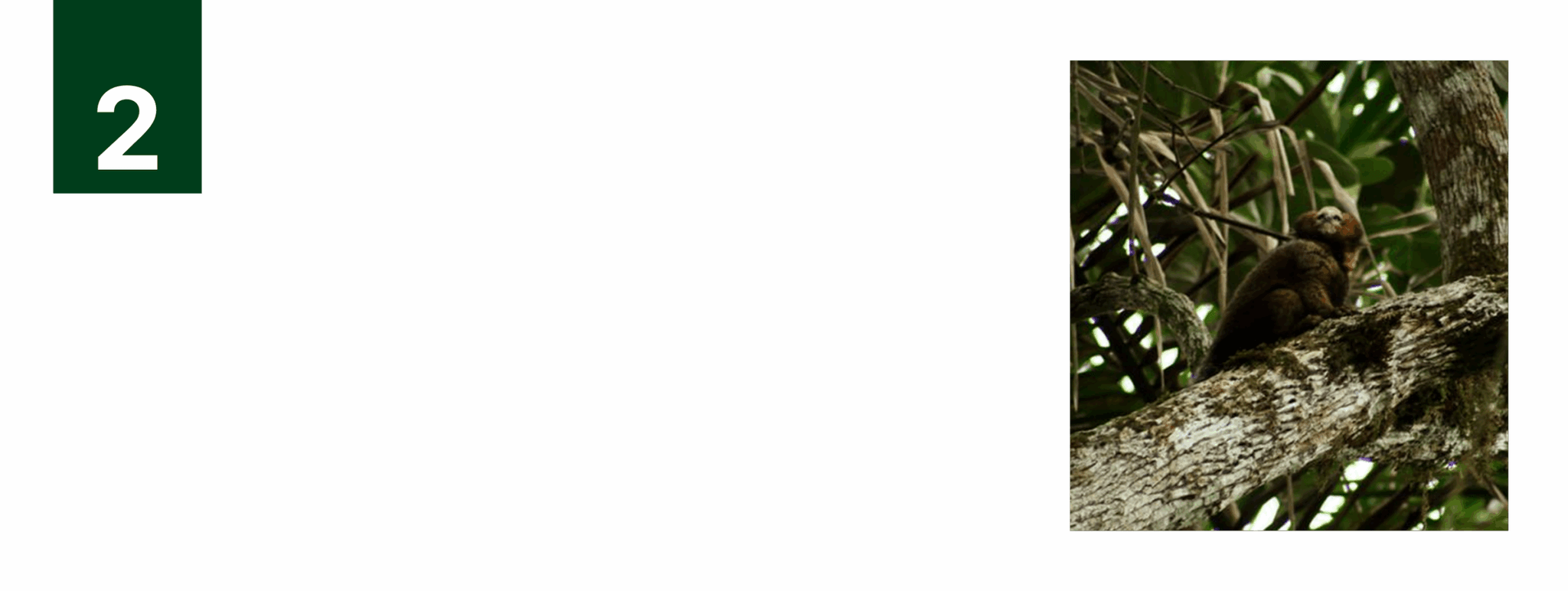
- Use of satellite imagery to identify forest fragments.
- Drone surveys, active searches and playbacks.
- Contact with local residents to gather information.
- Creation of maps detailing the areas studied.
Primate Mapping and Distribution
- Data collection in forest fragments.
- Connectivity assessment and fragment modeling.
- Analysis of threats, pressures and habitat quality.
Assessment and Action for Forest Connectivity
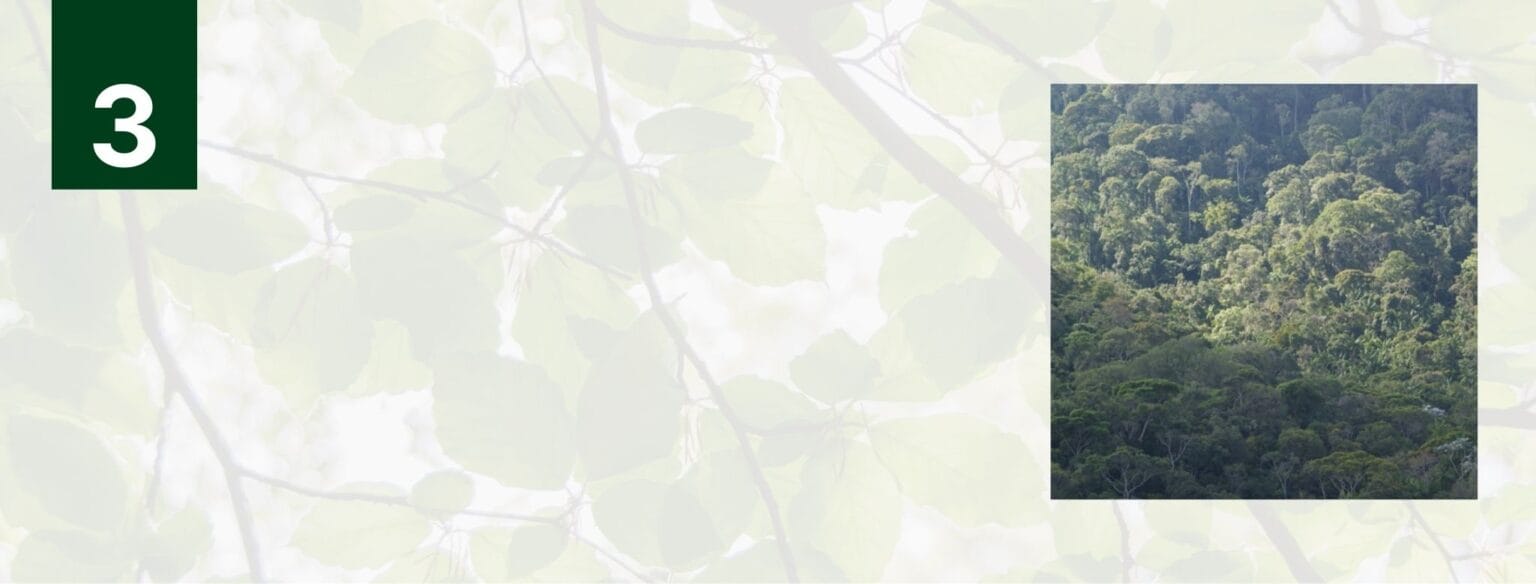
- Assessment of the populations' demographic structure.
- Use of drones and camera traps for monitoring.
- Contribution to the management and conservation of the monitored areas.
Expanded Monitoring of the Northern Muriqui
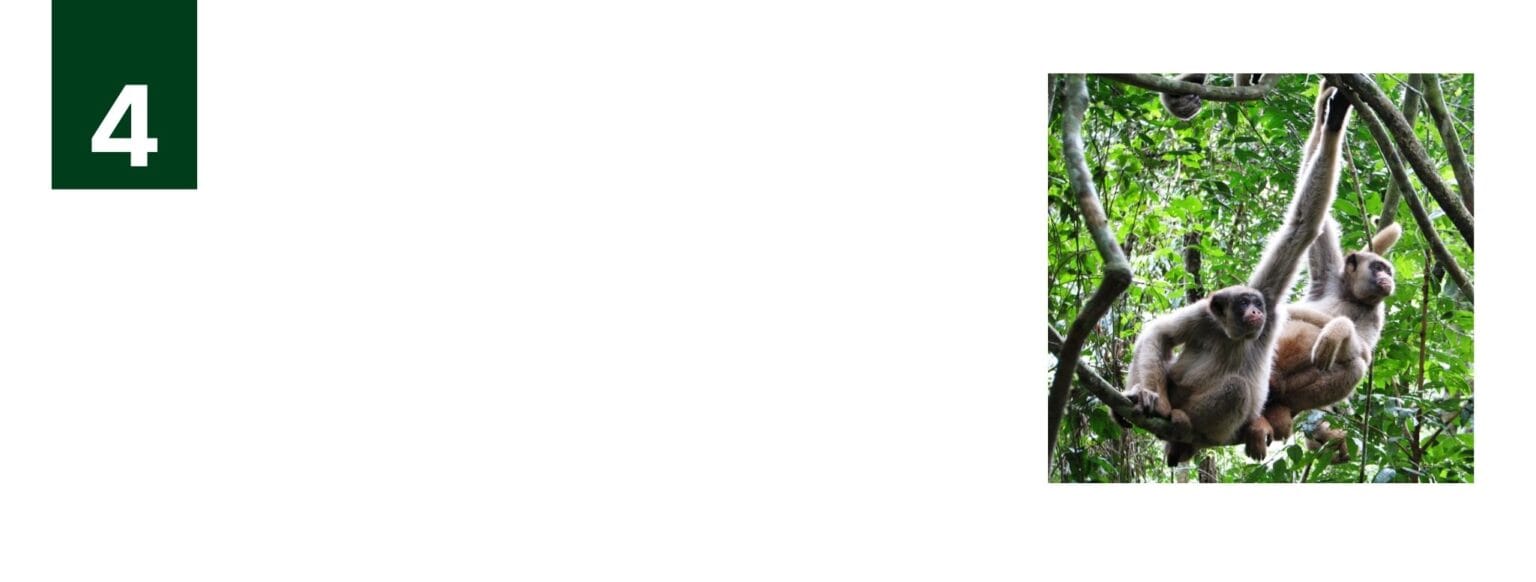
- Building an information network on primates.
- Creation of social media content and distribution of printed materials.
- Identification of threats and risks; community engagement.
Community Involvement and Disease Reporting
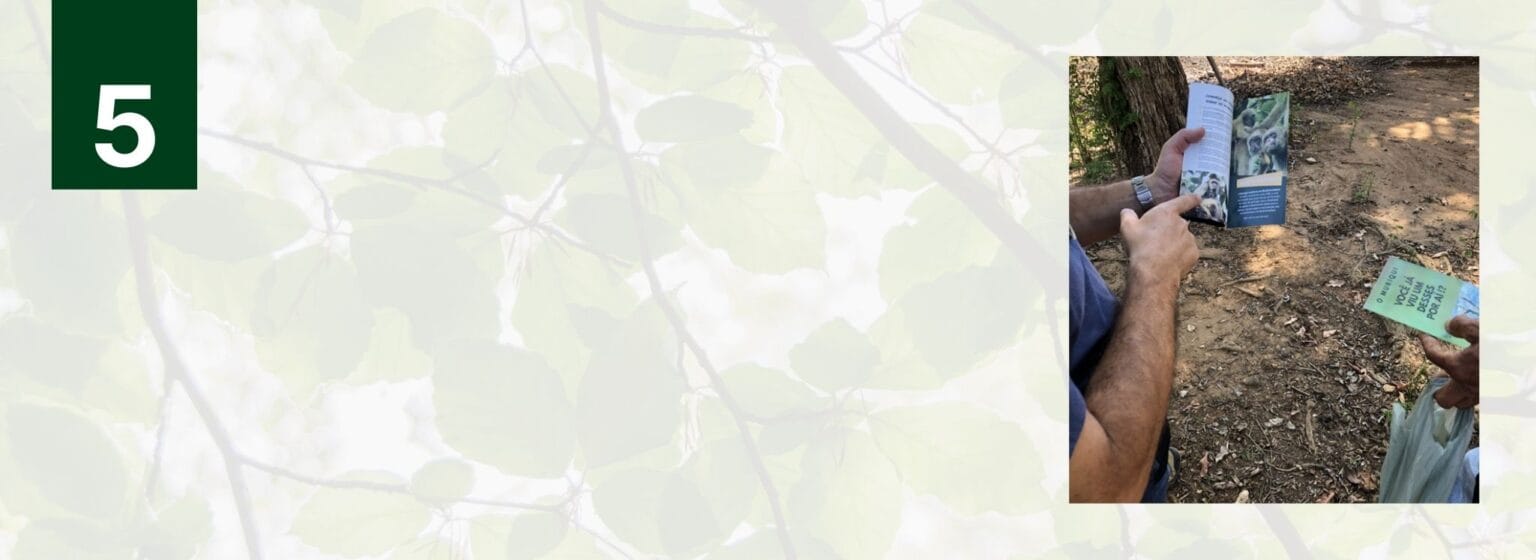
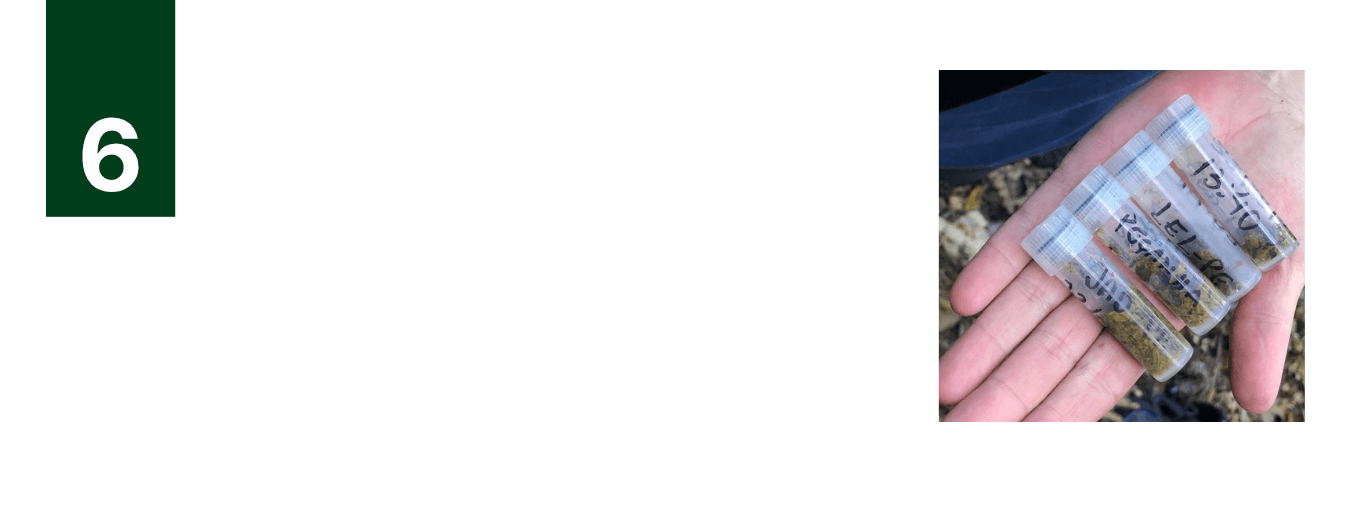
- Non-invasive collection of primate fecal samples.
- Analysis of the samples at the Laboratório de Genética e Biodiversidade.
- Contribution to understanding genetic diversity and developing conservation strategies.
Genetic Study for Conservation
PROJECT RESULTS:
Conexões vivas
This project is ongoing.
Be sure to visit this page again to learn about its results.